
Bunion Treatment in Austin and Leander | Andrew Ebert, M.D.
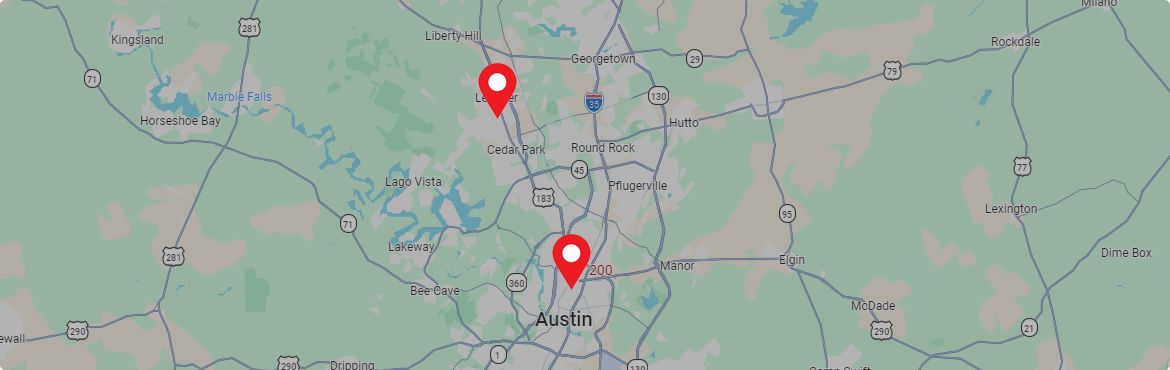
Bunions can cause persistent foot pain, swelling, and difficulty wearing shoes comfortably. Andrew Ebert, M.D., a board-certified orthopedic surgeon serving Austin & Leander, provides comprehensive evaluation and advanced treatment options for bunions (hallux valgus), helping patients restore comfort and mobility.
Whether your bunion is in the early stages or causing significant discomfort, Dr. Ebert offers personalized care tailored to your needs. From conservative treatments such as footwear modification and padding to advanced surgical correction, his approach focuses on relieving pain, correcting alignment, and improving long-term foot function. Patients in Austin and Leander trust Dr. Ebert for effective, patient-centered foot and ankle care.
What is a Bunion?
A bunion, also known as hallux valgus, is a bony protuberance that appears on the outer surface of the big toe when it angles toward the adjacent toe. It is an extra bone and a fluid-filled sac that grows at the base of the big toe.
What are the Common Causes of Bunions?
Bunions are common in women and tend to run in families (heredity). The major cause of bunions is prolonged wearing of ill-fitting shoes such as tight, narrow, and high-heeled shoes that compress the toes and exert excessive pressure while walking. The condition becomes worse and more painful as the bump grows bigger in size. Certain conditions such as rheumatoid arthritis and gout may also cause bunions.
What are the Symptoms of Bunions?
The most common symptoms of bunions include:
- Swelling
- Pain and tenderness around the big toe
- Turning of the big toe towards the adjacent toe
- Change in the shape of the foot
- A bony mass at the joint surface of the big toe
- Pain and discomfort while walking
- Restricted movements of the big toe
How are Bunions Diagnosed?
Your orthopedic surgeon diagnoses a bunion based on the following:
- Medical history to rule out diabetes, hypertension or circulatory disorders
- Physical examination to evaluate the nature of the bunion
- X-rays to determine bone and soft tissue damage
What are the Conservative Treatments for Bunions?
A bunion may be treated either by non-surgical or surgical methods.
The non-surgical treatment options include:
- Medications to help alleviate pain and associated symptoms
- Antibiotics to avoid infection
- Ice packs to reduce inflammation
- Getting adequate rest
- Wearing broad-toed shoes that fit properly to reduce the compression of the toes
- Using bunion pads, cushions and splints to protect and alleviate pain
- Selecting well-fitted shoes that match the shape of your feet

Andrew Ebert, M.D.
Board-Certified orthopedic surgeon specializing in foot & ankle care for active patients, athletes, & adults across Austin & Leander.
Andrew Ebert, M.D., is a board-certified orthopedic surgeon at Austin Foot & Ankle Institute, providing comprehensive orthopedic care to teens and adults in Austin and Leander Texas, and throughout Travis County.
What is Surgical Treatment for Bunions?
The surgical method of removal or excision of a bunion is known as a bunionectomy. The goal of bunion surgery is to relieve pain and restore the normal position and function of the big toe.
What are the Complications of Bunion Surgery?
As with all surgical procedures, bunionectomy may be associated with certain complications. Some of the surgical complications include infection, blood clot formation, recurrence of the bunion, damage to the neighboring nerves, bleeding and unrelieved pain.
What is the Prognosis for Bunions?
Always try to take care of the bunion at the initial stage by wearing accommodative shoes. In very few cases, postsurgical complications may interrupt the healing of the bunion. If left untreated, it may cause bursitis, gait abnormalities, arthritis, and other serious health problems.
How are Bunions Prevented?
Avoid wearing poorly fitted shoes to prevent irritation and compression of the toes, which may lead to the growth of a bunion.
Why Choose Dr. Andrew Ebert for Bunion Treatment in Austin & Leander?
Patients across Austin and Leander choose Dr. Andrew Ebert for bunion care because of his:
- Board-Certified expertise in orthopedic and foot conditions
- Individualized treatment plans based on severity and lifestyle
- Emphasis on non-surgical management when appropriate
- Advanced surgical techniques for bunion correction
- Commitment to restoring foot alignment, comfort, and mobility
Bunion FAQs
What causes bunions to develop?
Bunions are commonly caused by genetic factors, foot structure abnormalities, and prolonged use of tight or narrow footwear.
Can bunions go away without surgery?
Bunions do not disappear on their own, but symptoms can often be managed with non-surgical treatments such as proper footwear, padding, and medications.
When should I consider bunion surgery?
Surgery may be recommended when pain interferes with daily activities and conservative treatments are no longer effective.
How long does it take to recover from bunion surgery?
Recovery time varies but typically includes several weeks of protected walking followed by gradual return to normal activities.
Are bunions preventable?
Wearing properly fitted, supportive shoes and avoiding excessive pressure on the toes can help reduce the risk of developing bunions.
Schedule Your Bunion Consultation in Austin and Leander
If you are experiencing foot pain, swelling, or difficulty walking due to a bunion, early treatment can help prevent the condition from worsening. Andrew Ebert, M.D., offers expert diagnosis and treatment for patients in Austin and Leander.
Take the first step toward pain-free movement and healthier feet.
Dr. Ebert focuses on helping patients return to pain-free walking and do daily activities with confidence.